Waterjet Cutting Services

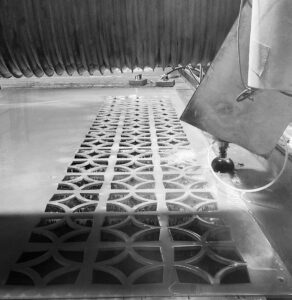
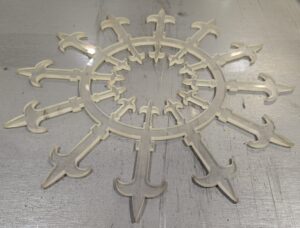
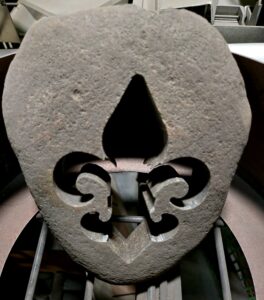
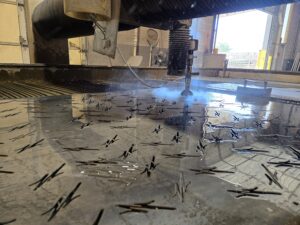
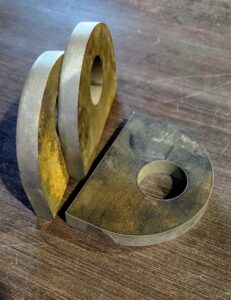
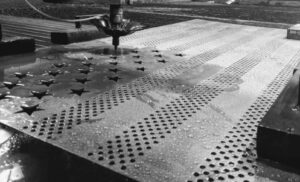
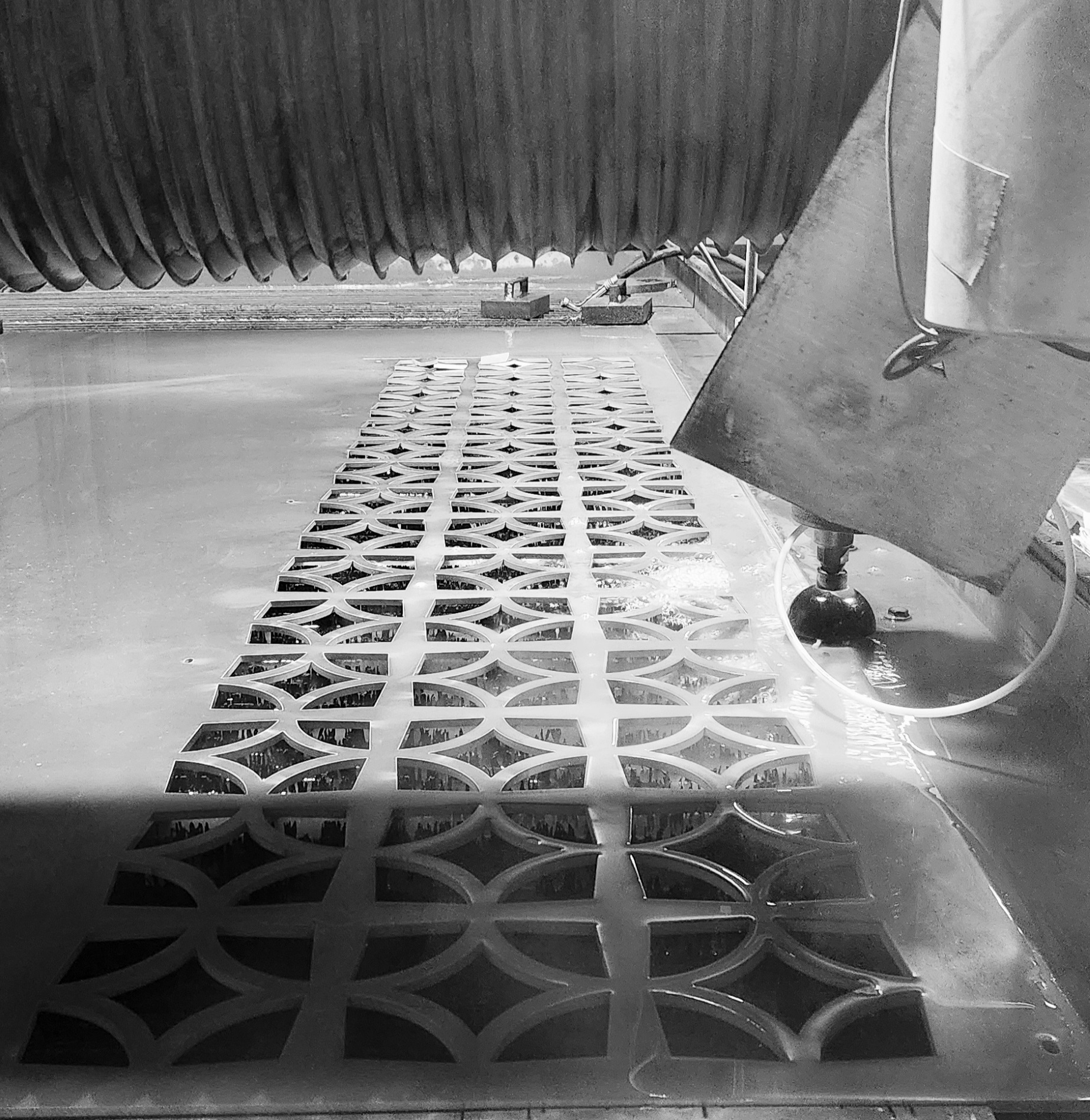
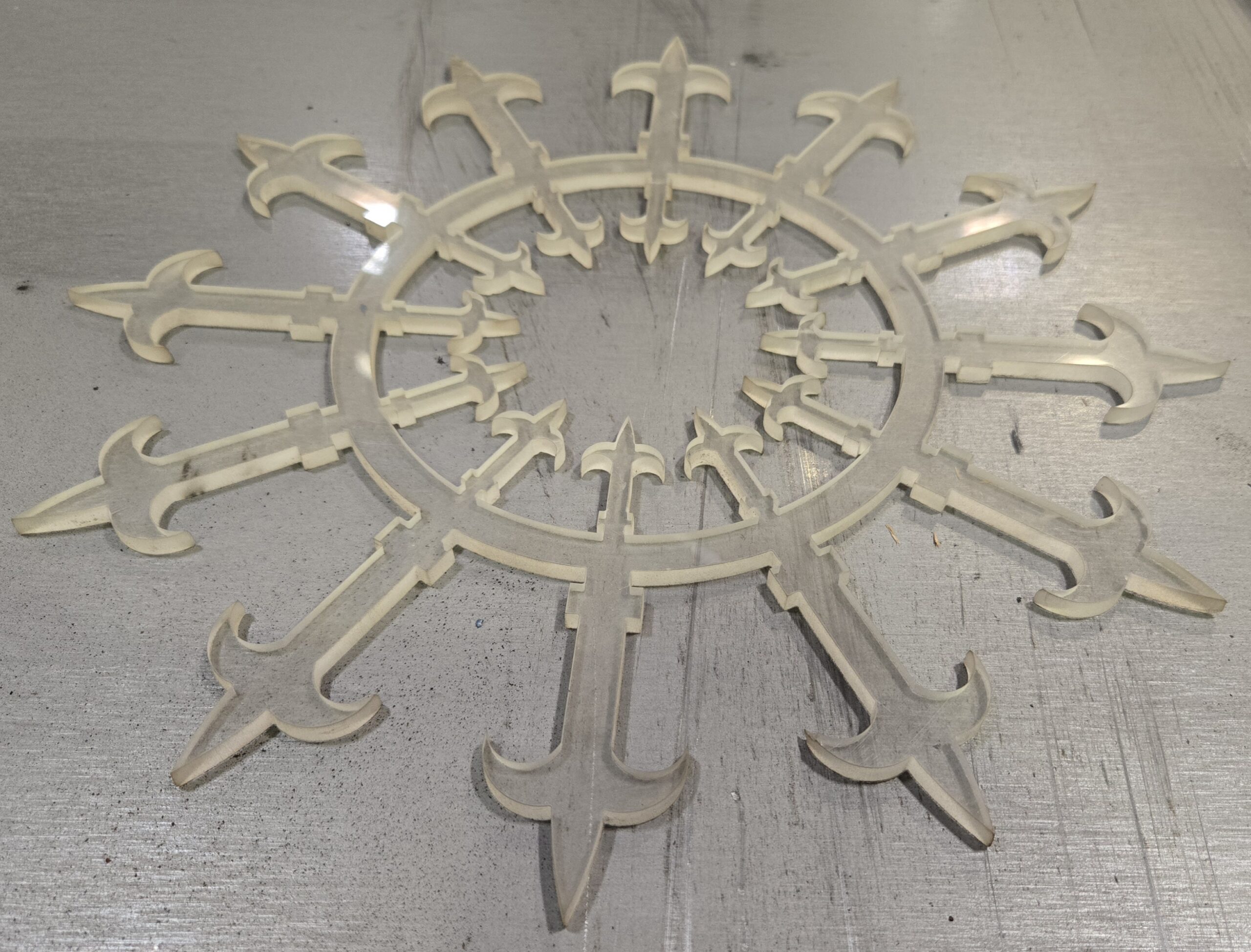
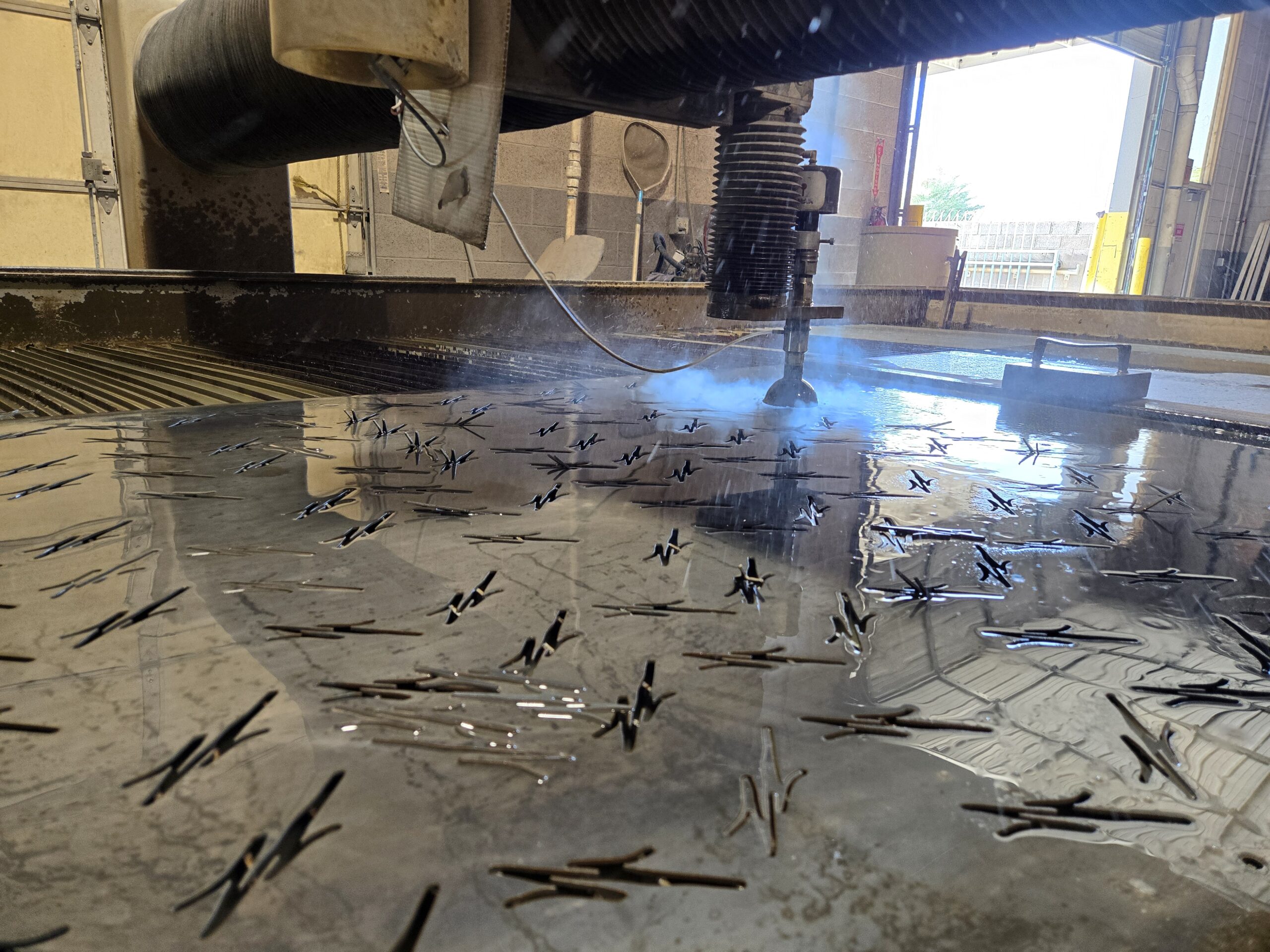
Our waterjet cutting system harnesses a focused, high-pressure stream of water, enhanced with abrasive particles, to slice through nearly any material without introducing heat. This cold-cutting process preserves material integrity, making it ideal for metals, stone, glass, and composites that are sensitive to thermal stress. It excels at handling thick or layered materials and complex shapes that would challenge conventional methods. With minimal setup time and reduced risk of warping or cracking, this system provides precise, repeatable cuts while supporting both large-scale production and intricate, custom fabrication projects.
Waterjet Machine Specs:
- Omax 80x: A-Jet (Multi-Axis)
- Bed size: 72″ x 156″
Processable Materials:
- Steel: .03″ – 2″
- Stainless: .03″ – 2″
- Aluminum: .03″ – 3″
- Wood
- Plastic
- Rubber
- Annealed Glass
- Stone
What is a waterjet?
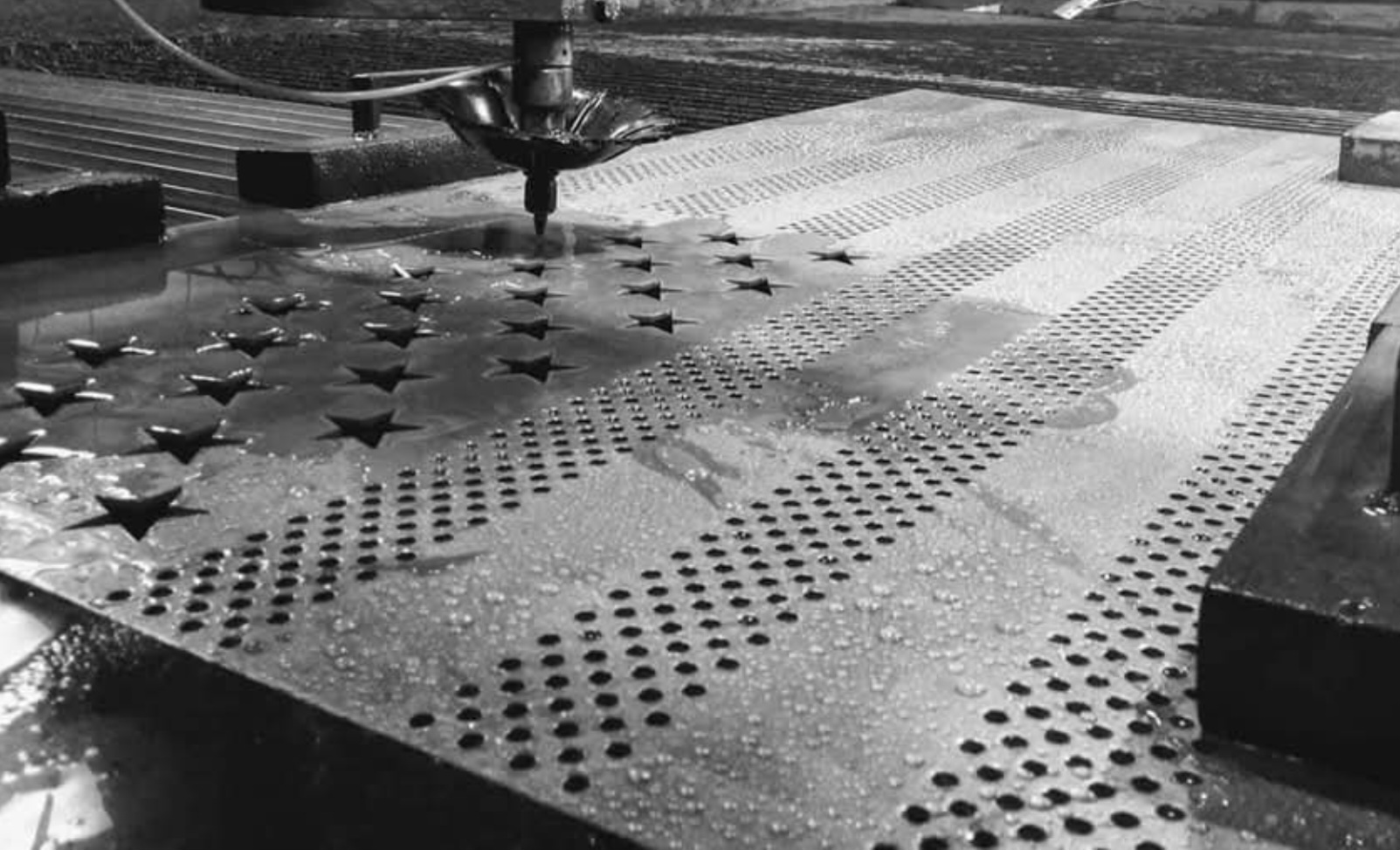
Water jet systems use a high-pressure stream of water, often mixed with abrasive particles, to cut a wide range of materials with precision. This cold-cutting method avoids heat, preserving material strength. It works on metals, stone, glass, and composites that are sensitive to thermal stress. Water jets handle thick, layered materials and complex shapes that challenge conventional cutting. Additionally, they minimize material waste and reduce downtime, making them ideal for both large-scale production and custom fabrication.
How it works:
An abrasive water jet combines high-pressure water with fine abrasives like garnet. The mixture is forced through a tiny nozzle at extreme speed. As it strikes the material, it erodes the surface, producing clean, precise cuts without heat or distortion. This allows intricate designs and thick materials—like metal, stone, or glass—to be cut efficiently and accurately.
Why water jets are ideal for metal Cutting:
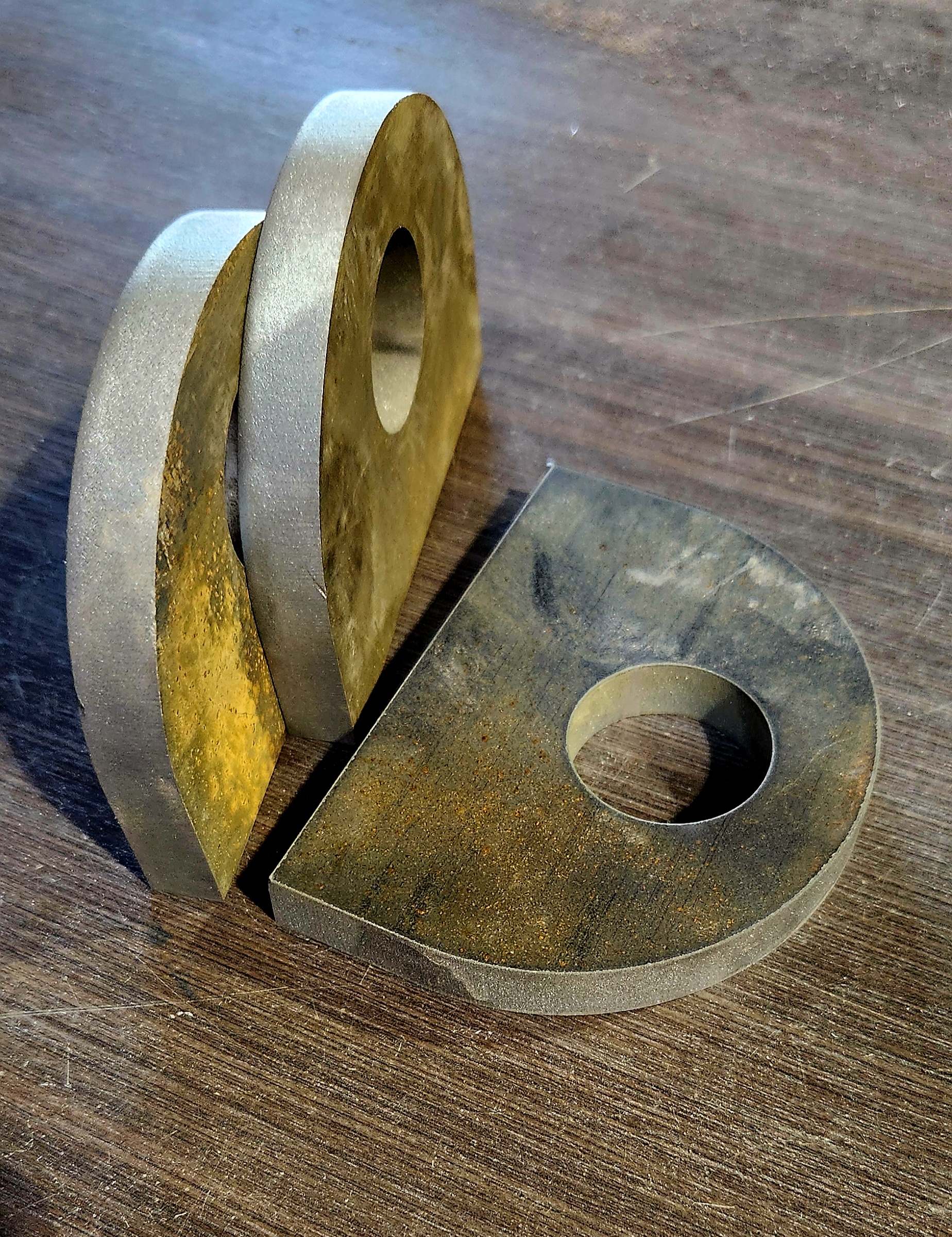
Water jets cut metal without heat, preventing warping or weakening. They handle a wide range of thicknesses while producing smooth, precise edges. This process reduces material waste and often eliminates secondary finishing. As a result, water jets are efficient for both production runs and custom projects.