
A complete guide for Architects and Contractors:
When a project calls for precision, durability, and a unique design, off-the-shelf solutions often fall short.
That’s where custom metal fabrication comes in.
That’s really what it comes down to.
You’ve got an idea, a drawing, or a problem… and someone needs to actually build it out of metal so it works in the real world.
So what is Custom Metal Fabrication?
At its simplest, custom metal fabrication is taking raw metal and turning it into something specific for your project.
That could be:
- A handrail that fits a unique staircase
- A guard-rail system that meets code but still looks good
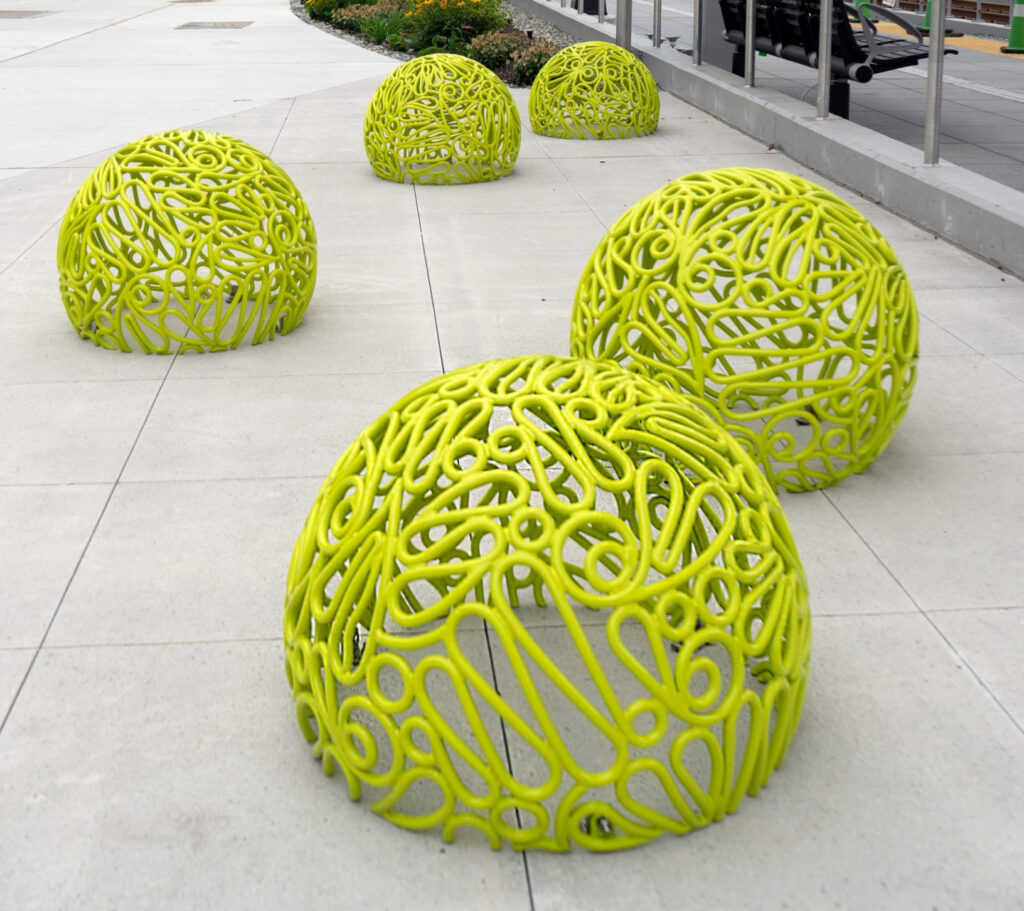
- Custom panels, screens, or light structural pieces
- One off parts or assemblies
- Prototype or Concept parts & Assemblies
It’s not pulled from a catalog. It’s built for your job, your dimensions, your design.
Where you’ll see it most:
If you’re in construction, you’ve already seen it – you just might not think about it much.
Architectural stuff
- Handrails (interior and exterior)
- Decorative or perforated panels
- Guardrails
- Privacy screens with logos or patterns
Functional / structural
- Stairs and platforms
- Support steel
- Equipment mounts or brackets
Industrial / commercial
- Truck components
- Safety barriers
- Custom odds and ends that keep things moving
A lot of times, it’s doing two jobs at once – it has to work, and it has to look right.
How the Process Actually Works
This is where a lot of people either overcomplicate it… or don’t think about it early enough.
1. It starts with a plan (or sometimes just an idea)
Best case, we’re working from clean drawings.
Other times, it’s:
“Hey, we need something here that does this…”
Either way, this is where having a fabricator involved early helps a ton. We can flag issues before they turn into delays.
2. Picking the right material
Not everything should be made out of the same metal.
- Steel → strong, affordable, great for structural stuff
- Stainless → clean look, doesn’t rust easily
- Aluminum → lighter weight, still holds up well
This decision affects cost, durability, and how it’s going to look when it’s done.
3. Cutting and forming
This is where the raw material starts turning into parts.
We’re cutting, bending, shaping – getting everything to match the drawings so it actually fits when it shows up on site.
If this step is off, everything downstream becomes a headache.
4. Welding and assembly
Now it all comes together.
Good welding matters more than people think. It’s not just about strength – it’s also about how clean everything looks, especially on architectural jobs.
5. Finishing
Depending on the job, we might:
- Powder coat it
- Paint it
- Leave it raw or brushed
This is what protects it and gives it that finished look.
6. Install (or ship it out)
Some jobs we install ourselves, some we fabricate and send out.
Either way, if everything was done right up to this point, install goes smooth. If not… that’s when field fixes start eating time.
Why Custom Fabrication Matters
For architects and contractors, custom metal fabrication offers several key advantages:
✔ Design Flexibility
Bring complex or unique designs to life without compromise.
✔ Precision Fit
Everything is built to exact specifications, reducing on-site adjustments.
✔ Durability
High-quality materials and craftsmanship ensure long-term performance.
✔ Efficiency
Well-planned fabrication minimizes delays during construction.
Common Challenges (and How to Avoid Them)
Even well-planned projects can run into issues without the right approach.
Lack of early coordination
→ Involve your fabricator early in the design phase.
Incomplete or unclear drawings
→ Provide detailed plans to avoid miscommunication.
Material mismatches
→ Choose materials based on environment and use—not just cost.
Tight timelines
→ Custom work takes time—plan fabrication into your schedule.
Choosing the Right Fabrication Partner
Not all fabrication shops are the same. The right partner should offer:
- Proven experience with similar projects
- Strong communication and collaboration
- High-quality craftsmanship
- Reliable timelines and delivery
A good fabricator doesn’t just build – they help solve problems before they happen.
Final Thoughts
Custom metal fabrication is more than just cutting and welding – it’s a critical part of bringing architectural and industrial projects to life.
For architects and contractors, partnering with an experienced fabrication team early in the process can lead to:
- Better designs
- Smoother builds
- Stronger, longer-lasting results
If you’re planning a project that requires precision, durability, and custom design, Magnum Companies is here to help – from concept to completion.